
External Communication: How Smart Organizations Talk to the World
Every conversation with someone outside your company matters. The way you answer a customer complaint at 2 AM, the language in your quarterly report, the meme you share on Twitter – these moments accumulate into your reputation. Some organizations treat external communication as an afterthought. Others recognize it as the bridge between what they build and who benefits from it.
The Numbers Tell a Stark Story
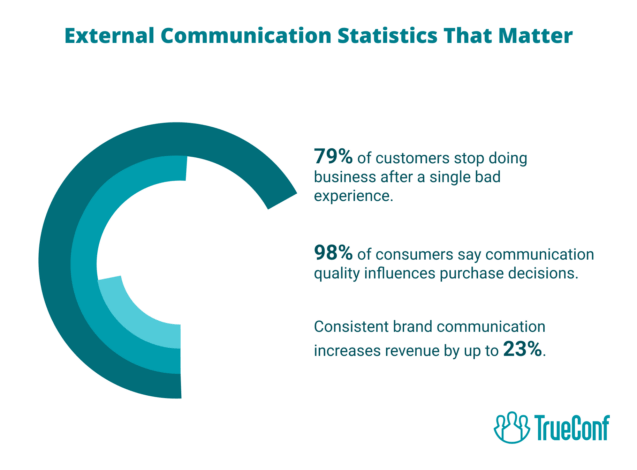
Here’s what happens when you get external communication wrong: 79% of customers walk away after one bad interaction. Not three strikes. One. Meanwhile, 98% of buyers say communication quality influences where they spend money. Your product might be superior, but if your communication is mediocre, you’ll lose to competitors who simply talk better.
Think about this – when United Airlines forcibly removed a passenger in 2017, their stock dropped $1.4 billion the next day. The incident was terrible, but the tone-deaf response amplified the damage. Compare that to KFC’s response when they ran out of chicken in the UK. They took out a full-page ad rearranging their logo to spell “FCK” with an apology below. Sales recovered within weeks because the communication showed humility and humor. Events like these can also influence how investors evaluate companies. For example, when assessing GOOGL Intrinsic Value, analysts consider not only financial performance but also brand reputation, leadership decisions, and long-term market trust, as these factors can impact a company’s perceived value and future growth potential.

Who External Communication Is Actually For
Different audiences need different approaches.
|
Audience |
Who they are |
What they need (short) |
Best ways to reach them |
|---|---|---|---|
|
Customers |
The people who pay you |
Proof you solve their problem, fair pricing, responsive help, signs you care after the sale |
Educational email sequences, helpful/entertaining social posts, SEO blog answers, support that fixes issues (not just closes tickets) |
|
Journalists |
The gatekeepers of attention |
Reader-worthy story, credible data, quotable experts, fresh angles |
Build relationships early, offer exclusives, respond fast on deadlines, make leaders available for interviews |
|
Investors |
The people betting on you |
Honest reporting, clear strategy, realistic timelines, transparent risks, confidence in capital use |
Earnings calls with context, candid annual reports, investor days, regular updates between reporting cycles |
|
Partners |
The people who enable you |
Clear expectations, on-time payment, visibility into your direction, appreciation of the relationship |
Regular check-ins, share your roadmap, pay promptly and flag delays early, feature partners in success stories |
|
Regulators |
The people watching you |
Evidence of compliance, accurate on-time reporting, cooperation, proactive issue disclosure |
Proper/punctual filings, direct contact with compliance leads, industry working groups, transparent communication on challenges |
Benefits of External Communication
You Stay Top of Mind
A project management tool spent three years creating free educational content about productivity. When companies needed project management software, they thought of this brand first – even if they’d never used the product.
You Build Trust That Survives Mistakes
An online retailer screwed up thousands of orders during a warehouse move. Instead of hiding, they sent personal apologies, offered generous refunds, and published daily updates about fixes. Customer retention rate: 94%. Trust you’ve built gives you permission to fail occasionally.
You Recover Faster from Crisis
When a data breach hit a major retailer, they notified customers within 2 hours, offered free credit monitoring, and provided updates every 6 hours during the investigation. The fast, transparent communication prevented the panic and lawsuits that destroyed competitors facing similar breaches.
You Differentiate Beyond Product
Two coffee shops across the street from each other sell similar drinks at similar prices. One posts “Good morning!” on Instagram. The other shares stories about coffee farmers, explains brewing science, and hosts free cupping sessions. Guess which has the line?
Your communication can be your competitive advantage.
You Grow Revenue Systematically
A B2B company implemented structured customer communication: weekly tips, monthly webinars, quarterly business reviews. Churn dropped 30%. Upsells increased 60%. Better communication increased customer lifetime value by $47K per account.
Choosing Your Communication Channels
Website: Your 24/7 Salesperson
Your site must answer five questions immediately: Who are you? What do you do? Why should I care? How do I get started? Where can I get help?
One project redesigned its homepage to lead with customer outcomes instead of features. Above the fold: a clear promise about faster progress. Below: real customer stories showing specific results. Conversions jumped 102.5%.
The shift? From “here’s what we built” to “here’s what you’ll achieve.”
Email: The Direct Line
Email remains the highest ROI channel for most businesses — but only if you segment intelligently. For acquisition or cold outreach, start with a verified b2b email list or scrape using an email finder to ensure accurate contacts, compliance with GDPR/CCPA, and the segmentation depth your campaigns require.
An online store segments by: purchase history (what they buy), engagement level (how often they open), lifecycle stage (new vs. loyal), and cart behavior (abandoned vs. completed).
Someone who abandoned a €500 cart gets a different message than someone who’s never bought anything. First-time buyers get education. Repeat customers get exclusive offers. The result: 40% higher conversion rates than their old “blast everyone” approach.
Social Media: Where Conversations Happen
Each platform demands its own approach:
- Twitter/X: A fast-food brand’s social team became famous for playfully roasting competitors and customers (with permission). Their bold, funny voice differentiated them in a boring category. Engagement rates were 10x higher than competitors.
- LinkedIn: A B2B founder shares weekly posts about mistakes they’ve made building the company — raw honesty about failures and lessons learned. Each post generates 50+ qualified leads because it shows wisdom earned through experience and consistent publishing, often powered by a LinkedIn scheduler.
- Instagram: A sustainable fashion brand shows behind-the-scenes content of artisans making their clothes. No models, no glamour shots — just real people doing skilled work. Their community grew to 500K followers who deeply care about ethical production. Businesses can also use audience management tools to better understand online interactions, organize communication efforts, and maintain stronger relationships with their digital communities.
- Facebook: A B2C brand stops losing warm prospects by capturing leads directly within the platform, no redirects needed. Using Facebook Lead Ads integrations, new contacts flow straight into their CRM, making instant follow-ups effortless and conversion rates noticeably stronger.
- Reddit: A SaaS company focused on engaging authentically in niche communities, contributing helpful insights instead of direct promotion. The best Reddit marketing agency and SaaS affiliate programs scale this exact approach, ensuring subreddit participation stays genuine and consistently attracts highly qualified traffic.
The pattern? Authenticity beats polish. Personality beats perfection. Working with specialized marketing agencies can significantly enhance your external communication strategies, ensuring a more personalized approach for diverse audiences.
Traditional Media That Still Works
Press Releases for Major News
Most press releases get ignored because they announce non-news. Staff promotions aren’t newsworthy. Minor product updates aren’t either.
What is newsworthy? Significant funding rounds. Major partnerships. Research findings. Contrarian stances on industry trends. Entering new markets. Acquisitions.
When a company hits a truly massive milestone, that’s a press release. When they add a small feature or option, that’s a blog post.
Print for Specific Demographics
Local newspapers matter for community businesses. Trade publications matter for B2B companies. Specialty magazines matter for niche products.
A regional bank advertises in local papers because their customers — average age 58 — still read them daily. Their competitors waste money on short-video ads for an audience that will never bank there.
Know where your audience actually spends attention.
Broadcast for Mass Awareness
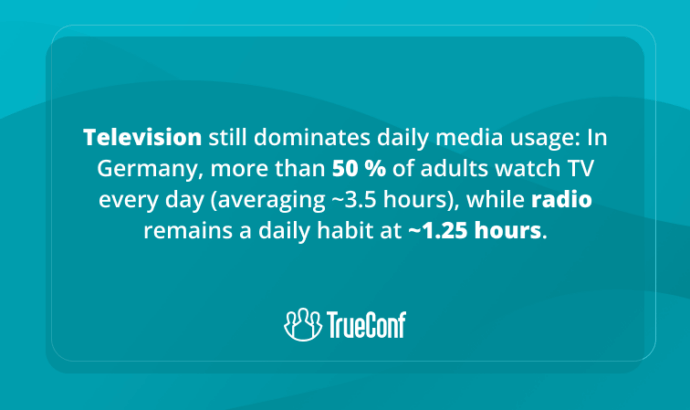
TV and radio require significant budget but deliver unmatched reach for brand-building campaigns.
An insurance company spent billions on TV ads over several years featuring a quirky mascot. Absurd spend — but it made them a household name. When people need insurance, they remember the mascot.
Face-to-Face for High-Stakes Relationships
Industry Events for Networking Density
One three-day conference can generate 50 meaningful conversations that would take months to schedule individually.
A cybersecurity startup sent their CEO to a major security conference every year — not to buy a booth, just to attend talks and have hallway conversations. Those informal chats led to partnerships with three large enterprise companies, as well as valuable insights into emerging industry threats like modern data breach detection techniques.
Client Meetings for Major Deals
When discussing six-figure contracts or complex partnerships, get in the room. Video calls work for updates. In-person matters for trust-building.
A hardware store sponsors youth teams, hosts DIY workshops, and donates to schools. They’re not the cheapest option in town, but they’re the most trusted. External communication isn’t always about promoting yourself.
Building Your Communication Strategy
Ready to upgrade your external communication? Here’s your roadmap.
Step 1: Audit What Exists
Document every way you currently communicate externally:
- Which channels are you using?
- What messages are you sending?
- How frequently do you communicate?
- What responses are you getting?
Look for gaps and contradictions. Does your Instagram voice match your customer service emails? Are you active on channels your audience doesn’t use?
Step 2: Define Specific Outcomes
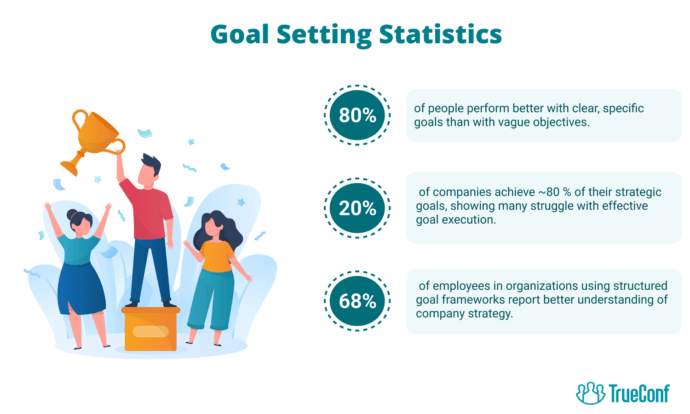
“Better communication” is too vague. Set clear objectives:
- Increase customer retention from 85% to 90%
- Generate 500 qualified leads from content marketing
- Reduce customer service response time to under 2 hours
- Earn media coverage in 10 industry publications
- Improve brand sentiment score from +12 to +25
Specific goals enable you to measure success. Software companies that need outside help meeting their pipeline goals can compare leading SaaS demand generation agencies by channel focus, pricing and company-stage fit.
Step 3: Map Your Audiences
For each stakeholder group, document:
- What do they care about most?
- What questions do they ask repeatedly?
- Where do they consume information?
- What tone and style resonates with them?
- What would make them trust you more?
A SaaS company discovered their customers consumed content primarily through podcasts during commutes, not written blog posts. By partnering with B2B podcast agency and shifting resources to audio content, they were able to triple their engagement. Shifting resources to audio content tripled engagement.
Step 4: Develop Core Messages
These core ideas should align with your overall marketing strategy so that messaging remains consistent across all external channels. Identify the 3-5 key ideas you need every audience to understand:
- What problem do you solve?
- What makes your approach different?
- What values guide your decisions?
- What results can people expect?
These core messages stay consistent while tactical communication varies by channel and audience.
Step 5: Choose Your Channels
Select channels based on where audiences actually spend time and what you can execute well.
A B2B company tried being active on Instagram, TikTok, Twitter, LinkedIn, Facebook, and Pinterest. They spread themselves too thin and communicated poorly everywhere, instead of focusing on targeted tools like a TikTok Shop affiliate outreach bot to build stronger creator partnerships.
They changed their strategy, investing in a focused Twitter account or doubling down on LinkedIn and email, where their decision-makers actually were. Quality improved. Results followed.
Step 6: Create Your Content Calendar
Plan what you’ll say, when, and where. Balance:
- Educational content (55%) – helping your audience solve problems
- Entertaining content (30%) – keeping people engaged
- Promotional content (15%) – asking for the sale
Most organizations flip this ratio and wonder why people tune out.
Step 7: Establish Clear Processes
Document decision-making:
- Who approves different types of external communication?
- How do you handle customer inquiries?
- What’s the escalation path for sensitive issues?
- Who speaks to media?
- How do you coordinate across teams?
Clear processes prevent conflicting messages and slow responses.
Take your team communication to the next level with TrueConf!
A powerful self-hosted video conferencing solution for up to 1,000 users, available on desktop, mobile, and room systems.
Step 8: Measure and Iterate
Track your chosen metrics monthly. What’s working? What isn’t?
An e-commerce brand discovered their Instagram ads drove traffic but not sales, while their email campaigns drove fewer clicks but much higher conversion. They reallocated budget accordingly. Implementing the best marketing automation software allows these brands to synchronize cross-channel messaging effectively, ensuring that high-intent traffic from social media receives relevant follow-up communications that nurture conversion.
Test continuously. Kill what fails. Double down on what succeeds.
Conclusion: Communication Is the Strategy
External communication isn’t a layer you add after the product is built or the strategy is approved. It is the strategy in motion. Every message, response, post, report, and conversation is a signal — about how you think, how you act, and how much you respect the people on the other side.
Smart organizations don’t try to be loud everywhere. They aim to be clear where it matters. They speak differently to different audiences, but they stay consistent in what they stand for. They don’t chase channels — they earn attention by being useful, honest, and human.
The companies that win long term aren’t the ones with the most features or the biggest budgets. They’re the ones whose communication makes people feel confident choosing them, staying with them, and forgiving them when things go wrong.
FAQ
How is external communication different from internal communication?
Internal communication happens between people inside your organization – employees, managers, teams working together. External communication targets everyone outside your company. The core difference: internal aims to align teams and improve productivity; external aims to build reputation, attract customers, and generate revenue. Internal can be informal and messy; external needs polish because it’s public and permanent.
What are the main types of external communication?
Three primary categories exist: (1) Marketing and sales communication that promotes products, generates leads, and drives revenue, (2) Public relations that manages brand perception, media relationships, and crisis response, (3) Investor relations that keeps shareholders informed about financial performance and strategy. Each type serves different stakeholders with distinct information needs and communication styles.
Which external communication channels work best?
The answer depends entirely on your audience and goals. Social media excels at building community and real-time engagement. Email works well for personalized, direct outreach. Press releases suit major announcements. Face-to-face meetings matter for high-stakes negotiations. Most successful organizations use multiple channels strategically rather than relying on one. Study where your specific audience actually spends time.
Can poor external communication damage my business?
Yes, severely. One negative customer service interaction going viral can cost thousands of customers overnight. Misleading investor communications trigger legal consequences and stock price collapses. Inconsistent messaging confuses buyers and weakens your brand. The damage compounds quickly because external communication mistakes are public, permanent, and spread rapidly through social media and press coverage.
How often should I communicate externally?
Frequency varies by channel and audience. Social media might need daily posts to maintain visibility. Public companies follow quarterly earnings schedules. Customer newsletters could be weekly or monthly. The principle: communicate frequently enough to stay relevant without overwhelming people with noise. Monitor engagement metrics – if people stop opening emails or unfollow social accounts, you’re communicating too much or providing too little value.
Do I need different messages for different external audiences?
Absolutely, but core messaging must stay consistent. Investors care about financial performance and growth trajectory. Customers want solutions to their problems. Journalists need newsworthy angles with supporting data. Suppliers focus on payment reliability and order volume. Customize the details and emphasis for each group while maintaining consistent brand values and positioning. Contradictory messages across audiences destroy credibility.
What role does social media play in external communication?
Social media fundamentally changed external communication from one-way broadcasting to two-way conversation. Platforms like LinkedIn, Twitter, and Instagram enable direct engagement with customers, real-time response to concerns, and community building around your brand. Social channels now serve as primary external communication tools for most organizations due to reach, cost-effectiveness, and the ability to create genuine dialogue with stakeholders.
Should external and internal messages ever differ?
Your fundamental message must remain consistent, but framing can vary. Internally, you might discuss challenges candidly and request solutions. Externally, you project confidence and stability. However, major disconnects create serious problems – employees recognize false optimism, and when internal frustration leaks externally, it damages trust. Aim for authentic consistency where internal and external communication align on core values, strategy, and priorities even if tactical details differ.
About the Author
Olga Afonina is a technology writer and industry expert specializing in video conferencing solutions and collaboration software. At TrueConf, she focuses on exploring the latest trends in collaboration technologies and providing businesses with practical insights into effective workplace communication. Drawing on her background in content development and industry research, Olga writes articles and reviews that help readers better understand the benefits of enterprise-grade communication.


Follow us on social networks