
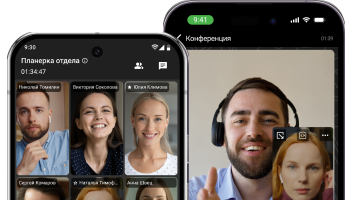
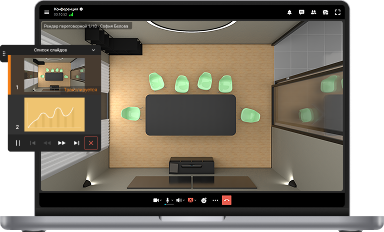


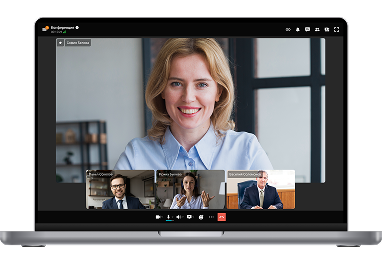
Reunión virtual
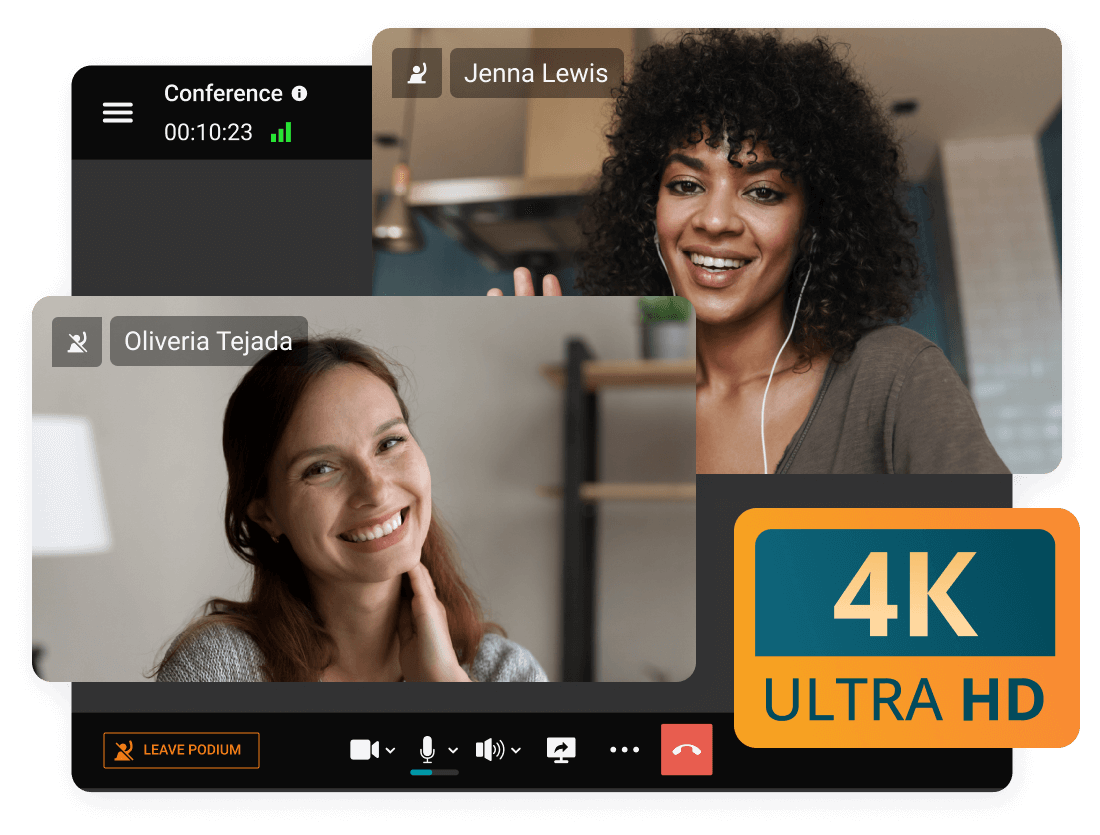
¡El curso de la reunión en línea está totalmente bajo su control! Organice videoconferencias en un modo especial donde los participantes ven y escuchan solo a los oradores designados por el moderador.
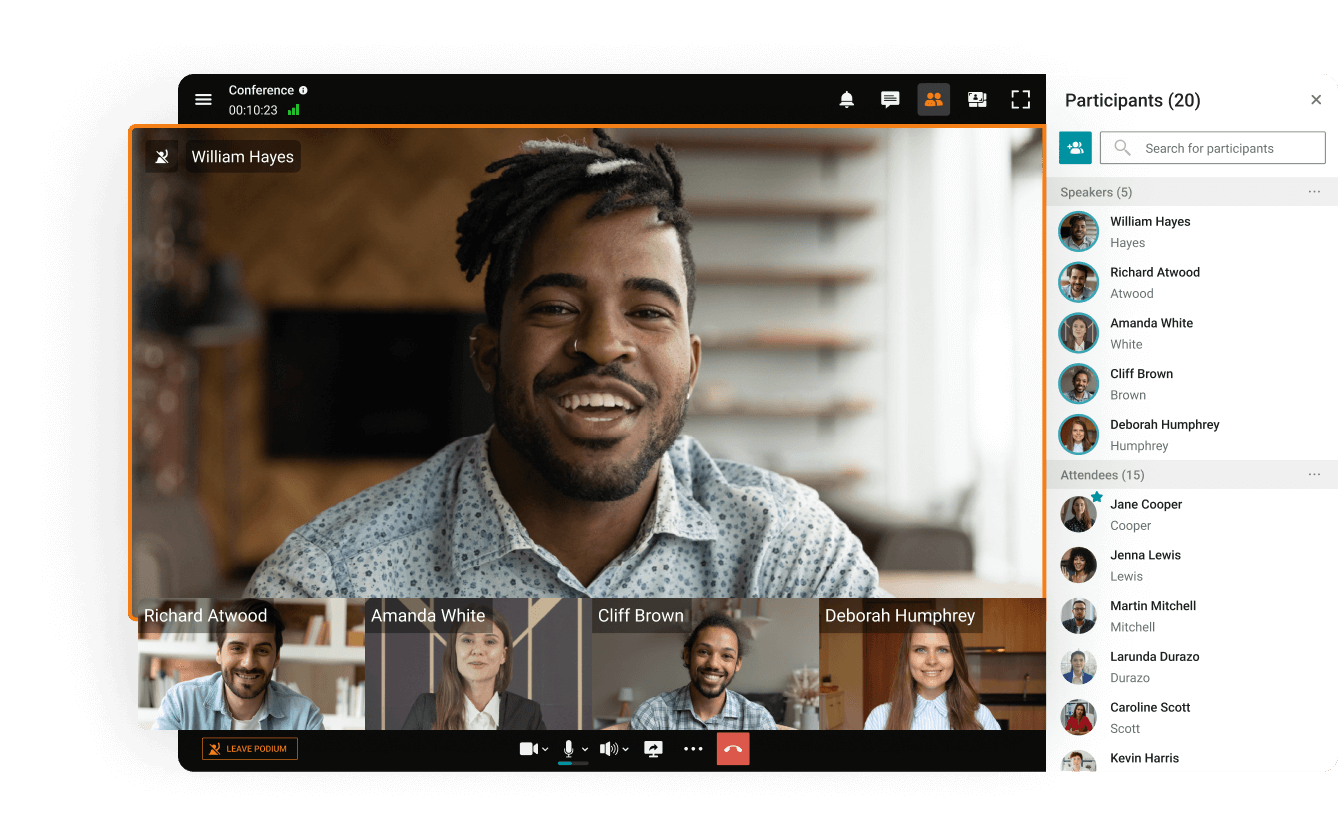

¡El curso de la reunión en línea está totalmente bajo su control! Organice videoconferencias en un modo especial donde los participantes ven y escuchan solo a los oradores designados por el moderador.
Realice llamadas de audio y video uno a uno en 4K UltraHD, ¡comunicándose sin límites de tiempo!
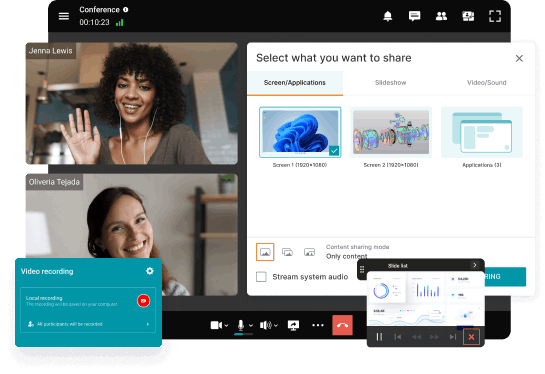
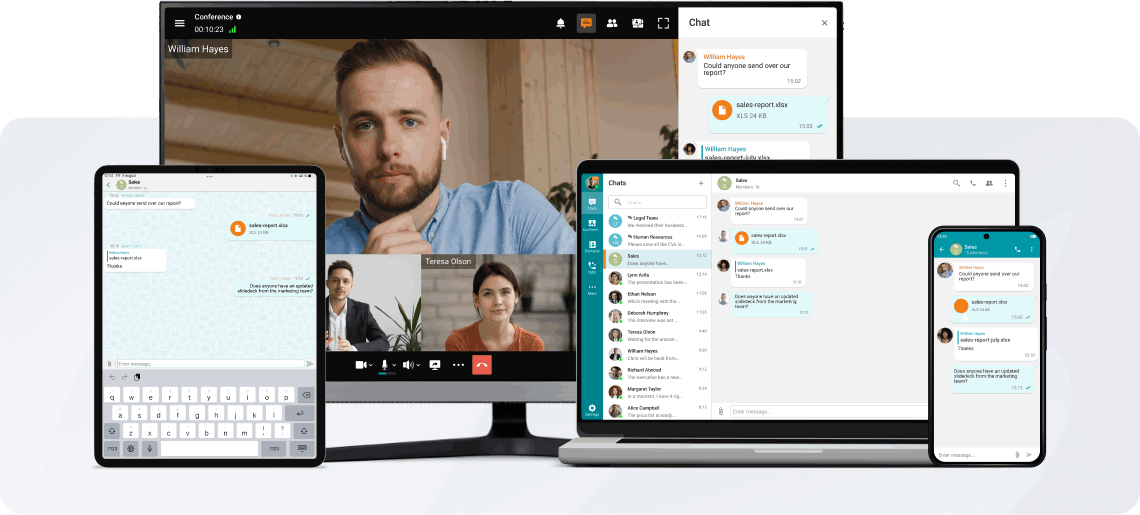
Comuníquese en el chat de la conferencia con otros participantes, comparta imágenes, presentaciones, videos y documentos, controle remotamente su escritorio y grabe reuniones en línea.
Disfrute de capacidades de comunicación avanzadas: participe en videoconferencias incluso con ruido externo, difuminado, reemplace y ponga su marca en el fondo y convierta grabaciones de conferencias en transcripciones detalladas.
Supresión de ruido inteligente
Difuminar y reemplazar el fondo
Transcripción de las reuniones
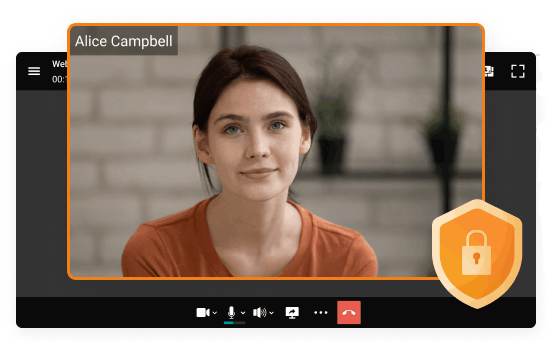
Trabaje en una red cerrada sin conexión a Internet, cifrado de datos y control total sobre las comunicaciones.
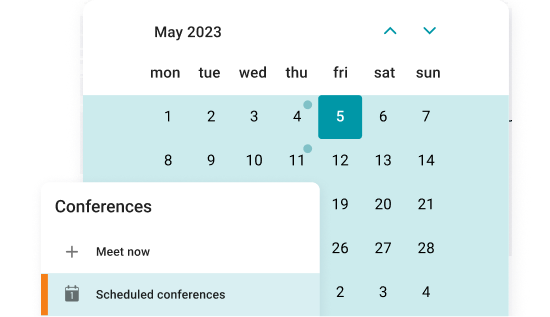
Programe reuniones de video con anticipación, establezca la fecha, la hora, la duración y el cronograma regular de las conferencias.
¡Acepte llamadas y participe en conferencias en cualquier dispositivo, manteniendo la continuidad de la comunicación!
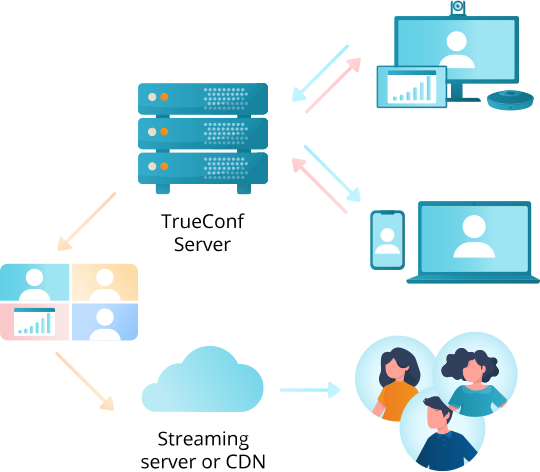
¡Amplíe su audiencia a millones de espectadores transmitiendo videoconferencias a plataformas o servicios CDN utilizando el protocolo RTSP!
Con TrueConf Server, puedes unirte a cualquier reunión ya sea desde tu aplicación cliente o desde tu navegador. Lee nuestra guía sobre cómo unirse a reuniones web para obtener más información.
TrueConf ofrece cuatro roles principales, cada uno diseñado para gestionar permisos y definir responsabilidades durante una conferencia:
• Propietario: El organizador de la reunión, responsable de crear la sesión y gestionar su estructura general. El propietario tiene el control total sobre los roles de los participantes y la configuración de la conferencia.
• Moderadores: Supervisan el desarrollo de la reunión y mantienen las discusiones en curso. Los moderadores pueden gestionar los permisos, silenciar/activar el sonido de los participantes y manejar comportamientos disruptivos.
• Oradores: Pueden compartir su audio, video y contenido con todos los participantes. Ideal para presentadores, instructores o panelistas que necesitan interactuar activamente con la audiencia.
• Asistentes: Participantes pasivos que no pueden compartir audio o video durante la reunión. Pueden interactuar a través de respuestas en el chat y comentarios de audio cuando se les permite, lo que hace que este rol sea ideal para seminarios web o conferencias a gran escala donde la mayoría de los participantes son oyentes.
El propietario de la conferencia o los moderadores pueden activar/desactivar las cámaras y los micrófonos de los participantes desde el menú contextual del contacto. Una configuración más avanzada de los dispositivos, como la selección de un dispositivo de entrada específico o el ajuste de la sensibilidad del micrófono, está disponible en la sección de gestión avanzada de reuniones.
Sí, TrueConf Server te permite invitar sistemas de salas SIP y H.323 a tus reuniones virtuales, conectando plataformas de reuniones virtuales modernas con equipos antiguos de videoconferencia. Esto significa que las organizaciones pueden seguir usando el equipo existente de la sala de conferencias o puntos de video dedicados mientras adoptan reuniones virtuales más avanzadas y con más funciones.
Sí, los administradores de TrueConf Server pueden programar reuniones desde el panel de control de TrueConf Server, mientras que los usuarios de TrueConf pueden programar reuniones desde la página de invitados o directamente dentro de sus aplicaciones cliente. Obtén más información en nuestra guía sobre cómo programar reuniones.
Las reuniones en línea facilitan que las personas se conecten y trabajen juntas en tiempo real, independientemente de la ubicación. Los equipos pueden colaborar a través de países, los profesores pueden llegar a estudiantes lejanos, y las familias pueden celebrar hitos incluso cuando están separadas. Las herramientas basadas en Internet hacen que estos encuentros virtuales sean sencillos y eliminan la fricción de la distancia.
Hay varias maneras de realizar reuniones en línea: videollamadas y llamadas de audio, seminarios web y aulas virtuales. Los equipos realizan lluvias de ideas cara a cara en videollamadas, los seminarios web reúnen a grandes audiencias para el aprendizaje compartido, y las aulas virtuales permiten que los estudiantes se conecten con maestros y compañeros de clase de manera similar a como lo harían en persona.
Estas herramientas se han convertido en fundamentales para que las empresas se mantengan productivas, para que los profesores mantengan a los estudiantes comprometidos y para que las comunidades permanezcan conectadas en un mundo cada vez más digital.
• Flexibilidad: Un diseñador en Nueva York y un desarrollador en Tokio pueden colaborar sin esfuerzo sin salir de sus escritorios. Las reuniones en línea permiten que las personas se conecten en cualquier momento y lugar, eliminando la necesidad de compartir una sala, ideal para equipos remotos y profesionales ocupados.
• Ahorro de costos: Las reuniones virtuales reducen gastos de viaje como vuelos, hoteles y comidas, liberando presupuesto para proyectos, herramientas o contrataciones.
• Eficiencia: Comenzar una reunión en línea es tan fácil como compartir un enlace. Sin necesidad de viajar o gestionar logísticas complejas, los equipos pueden empezar a trabajar de inmediato, ya sea para una actualización rápida o una discusión en profundidad.
• Colaboración: Las reuniones virtuales conectan a personas a través de distintas zonas horarias, facilitando el intercambio de ideas en tiempo real. Reunir a miembros del equipo de diferentes ubicaciones a menudo genera ideas frescas y soluciones creativas.
Las reuniones virtuales vienen en diferentes formatos, cada uno adecuado para necesidades específicas:
• Las conferencias de audio se centran en la comunicación por voz, permitiendo que las personas se unan por teléfono o audio de computadora. Son ideales para actualizaciones rápidas o sesiones de lluvia de ideas cuando el video no es necesario, o cuando las conexiones a internet son poco fiables, por ejemplo, un gerente compartiendo actualizaciones de proyectos o un equipo intercambiando ideas durante un día ajetreado. Son sencillas de configurar, por lo que tantos profesionales dependen de ellas.
• Las videoconferencias reúnen a las personas a través de video y audio en vivo, permitiéndoles encontrarse cara a cara sin importar su ubicación. Los equipos pueden compartir ideas, presentar proyectos y colaborar en tiempo real. Por ejemplo, un equipo distribuido en diferentes ciudades puede utilizar la función de compartir pantalla para dar actualizaciones o resolver un problema juntos. Estas son comunes para reuniones de equipo, llamadas con clientes y sesiones de capacitación.
• Los seminarios web son adecuados para grupos más grandes y se centran en compartir conocimientos de manera interactiva. Un presentador o panel dirige la sesión, ofreciendo formación, ideas o información a través de video en vivo, mientras que herramientas como el chat en vivo, encuestas y sesiones de preguntas y respuestas permiten la participación de la audiencia. Los seminarios web se utilizan a menudo para lanzamientos de productos, formación profesional y eventos educativos, ayudando a los presentadores a llegar a personas de todo el mundo.
1. Prueba tu equipo: Asegúrate de que tu computadora, cámara, micrófono y conexión a internet estén funcionando correctamente antes de la reunión.
2. Encuentre un lugar tranquilo donde no sea interrumpido ni distraído.
3. Vístete de manera profesional, como lo harías para una reunión presencial. Evita colores brillantes, patrones llamativos o joyas que puedan distraer en cámara.
4. Prepare su espacio de trabajo: Manténgalo limpio y organizado, y elimine cualquier desorden que pueda ser visible en la cámara.
5. Crear una agenda: Compártela con todos los participantes de antemano para que todos se mantengan enfocados y se aborden los temas importantes.
6. Practica una buena etiqueta en videoconferencias: Silencia tu micrófono cuando no estés hablando, evita realizar múltiples tareas y mantén contacto visual con la cámara.
7. Considera un fondo virtual: Si tu espacio de trabajo no es ideal para la reunión, un fondo virtual puede ayudar a crear un entorno profesional y libre de distracciones.
Seguir estos consejos ayudará a que su reunión se desarrolle de manera fluida y efectiva.
1. Dos verdades y una mentira: Cada persona comparte tres afirmaciones sobre sí misma, dos verdaderas y una falsa. Los demás deben adivinar cuál es la mentira.
2. Búsqueda del tesoro virtual: Los participantes reciben una lista de objetos para encontrar en sus casas u oficinas en un tiempo determinado. Una forma divertida de hacer que las personas se levanten y se muevan durante la reunión.
3. Fondos virtuales: Anime a los participantes a usar un fondo virtual divertido o interesante y comparta por qué lo eligieron.
4. Asociación de palabras: Elige una palabra relevante al tema de la reunión y haz que los participantes compartan lo primero que les venga a la mente.
5. Yo nunca jamás: Los participantes se turnan para nombrar algo que nunca han hecho; cualquier persona que lo haya hecho responde en consecuencia (tradicionalmente con una bebida, aunque un sistema de puntos funciona igual de bien en un entorno laboral).
6. Compartir imágenes: Pida a los participantes que compartan una foto que represente su personalidad o intereses, una excelente manera de conocerse mejor y encontrar puntos en común.
Ventajas
• Menor costo y esfuerzo: Sin gastos de viaje y mucho menos esfuerzos logísticos en comparación con las reuniones presenciales.
• Grabación y reproducción: Graba conferencias para revisar discusiones anteriores en cualquier momento y comparte las grabaciones con colegas que no pudieron asistir.
• Acceso multidispositivo: Inicia sesión en tu cuenta desde varios dispositivos a la vez, con el historial de chat y llamadas sincronizado automáticamente en todos ellos.
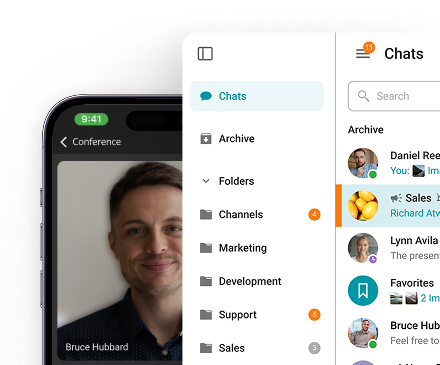
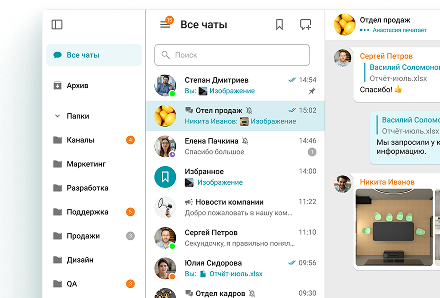
• Conexión continua: Mantente en contacto con tu equipo a través de chats personales y grupales antes, durante y después de las reuniones.
• Compartición eficiente de contenido: Presenta diapositivas, fotos, dibujos, diagramas, documentos y PDFs a los participantes remotos utilizando la función de presentación de diapositivas de TrueConf.
Desventajas
• Problemas técnicos: Cualquiera sea el software de videoconferencia que uses, ocasionalmente te encontrarás con problemas: una conexión a internet inestable, un fallo de hardware o miembros del equipo que no están familiarizados con las herramientas y necesitan ayuda para configurarlas.
• Mantener a los participantes comprometidos: Puede ser más difícil mantener a todos enfocados que en una reunión presencial. Incluso con las cámaras encendidas, es fácil volverse pasivo detrás de una pantalla, especialmente en grupos más grandes.
Considere estos factores al evaluar una plataforma de reuniones virtuales para su negocio:
• Fácil de usar: Elija un software que sea fácil de aprender para todos los miembros de su equipo, de modo que conectar y colaborar se sienta tan natural como hablar en persona.
• Plataforma integral: Busque una plataforma que cubra todas sus necesidades (videoconferencias, compartir pantalla, alojamiento de seminarios web) en lugar de manejar varias herramientas desconectadas.
• Alto valor, bajo costo: El precio depende en gran medida de los requisitos de su negocio, por lo que es recomendable optar por una plataforma con precios flexibles que le permita pagar solo por lo que realmente necesita.
• Experiencia de videollamada: La frecuencia de cuadros y la resolución afectan la naturalidad de una llamada. TrueConf admite resolución 4K en conferencias y, en cámaras compatibles, hasta 60 fps en videollamadas punto a punto, lo que es notablemente más fluido que los 30 fps en los que la mayoría de las plataformas competidoras se limitan. Sin embargo, las frecuencias de cuadros más altas requieren hardware compatible y no están garantizadas en todos los tipos de llamadas.