Videokonferenzen für Gerichte

A secure corporate communication platform for conducting remote court hearings and interagency collaboration.

  • Holding court sessions and remote interrogations in a secure digital environment.
  • Infrastructure control, user activity logging, and compliance with information security requirements.
  • Stable performance across distributed networks of courts and government agencies.
Videokonferenzen für Gerichte

Unsere Projekte

Ministerium für öffentliche Sicherheit

Ministerium für öffentliche Sicherheit

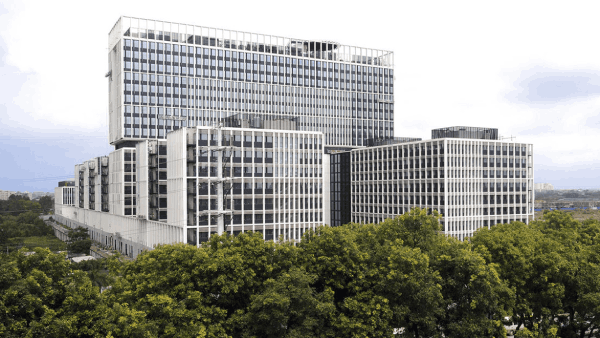
Behörde, die für die Aufrechterhaltung von Recht, nationale Sicherheit, öffentliche Ordnung und verschiedene Verwaltungsfunktionen verantwortlich ist. Die Implementierung der TrueConf-Lösung ermöglichte es dem Ministerium, seine Aufgaben effektiver und sicherer zu erfüllen und die Integrität und Vertraulichkeit seiner Operationen zu gewährleisten.

Hindustan Aeronautics Limited (HAL)

Hindustan Aeronautics Limited (HAL)

Einer der größten Luft- und Raumfahrt- sowie Verteidigungshersteller in Asien, der sich hauptsächlich mit dem Design, der Entwicklung und der Herstellung von Flugzeugen, Hubschraubern und deren Ersatzteilen beschäftigt. TrueConf stellte HAL ein privates Netzwerk für die Unternehmenskommunikation und -zusammenarbeit zur Verfügung, das es mehr als 30.000 Mitarbeitern ermöglicht, nahtlos von jedem beliebigen Gerät aus zu kommunizieren.

Kommerzbank von Kuwait

Kommerzbank von Kuwait

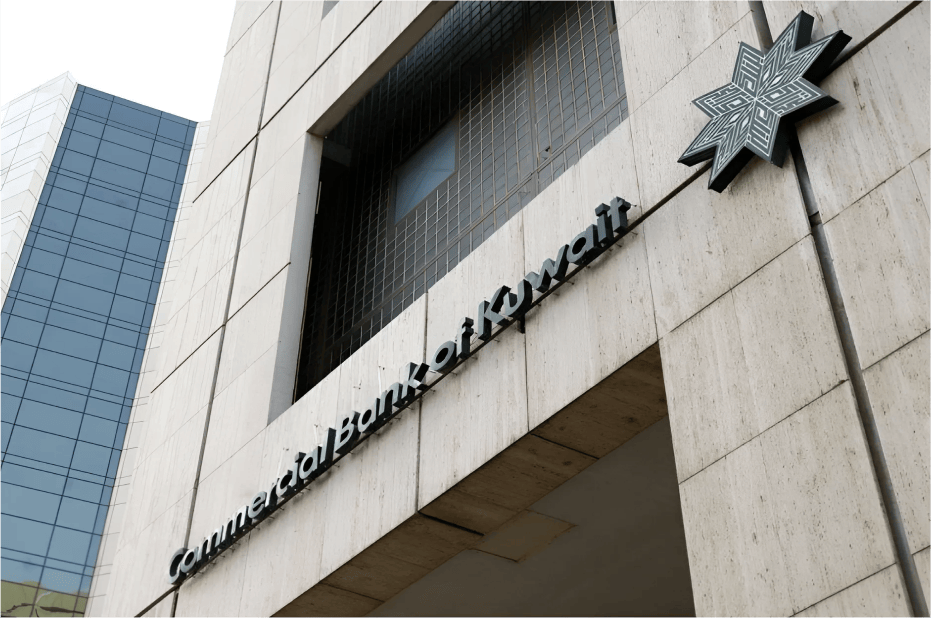
TrueConf virtuelles Banksystem ermöglichte eine einfache Kommunikation zwischen Kunden und Callcenter-Mitarbeitern. Mehr als 100 Kioske wurden installiert, um Bankfilialen mit der Zentrale zu verbinden. Täglich nutzen über 1.700 Kunden im ganzen Land die Fernberatungen.

Atomkraftwerk Narora (NAPS)

Atomkraftwerk Narora (NAPS)

Kernkraftwerk, das eine entscheidende Rolle in Indiens Energieerzeugungsinfrastruktur spielt. Mit TrueConf hat NAPS einen Schritt nach vorne gemacht, um die digitale Transformation zu umarmen und den Kommunikationsprozess, die Produktivität, die Zusammenarbeit und die Effizienz der Abläufe zu optimieren.

Regierung der Demokratischen Volksrepublik Laos

Regierung der Demokratischen Volksrepublik Laos

TrueConf ermöglichte es der laotischen Regierung, Videokonferenzsitzungen zwischen der Zentralregierung, den Fachministerien und den Provinzbüros durchzuführen, um der Bevölkerung Fernservices bereitzustellen.

Peel Regional Police

Peel Regional Police

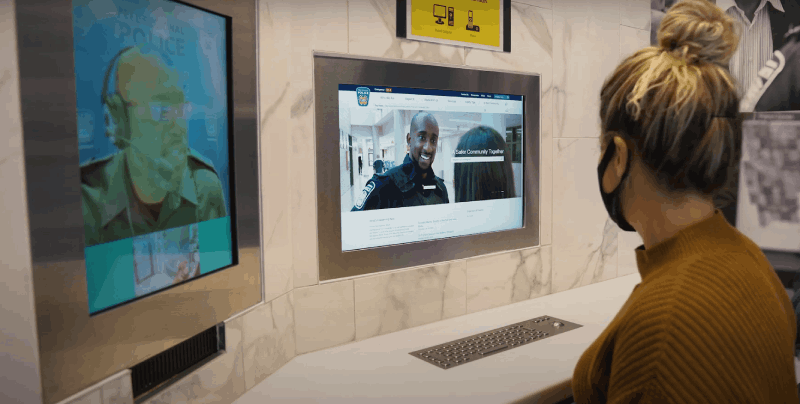
Drittgrößte kommunale Polizei in Kanada mit 2.200 vereidigten Mitgliedern, die etwa 1,48 Millionen Bürgern dient. Die Polizei eröffnete die virtuelle Gemeinschaftsstation auf Basis der TrueConf-Videokonferenzlösung, um ihre Operationen zu modernisieren, mit der Öffentlichkeit aus der Ferne zu interagieren und besser auf deren Bedürfnisse einzugehen.

Effektive Online-Justiz

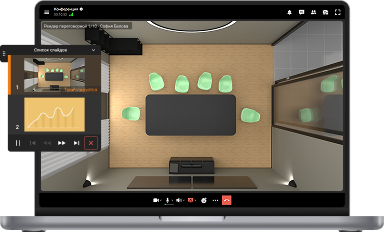
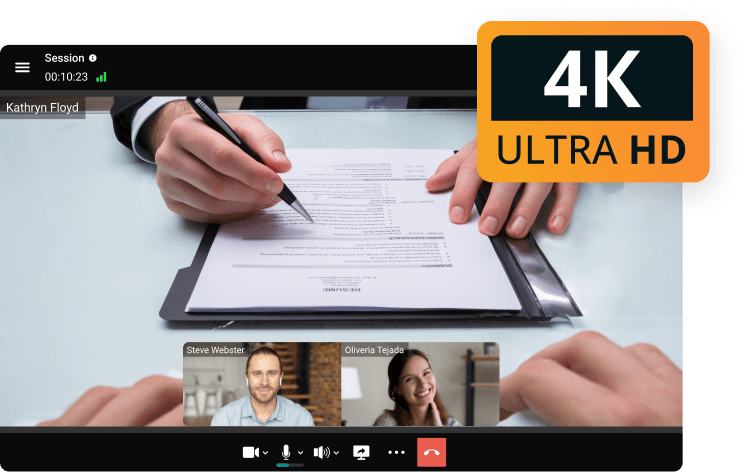
Führen Sie Fernsitzungen in 4K-Auflösung durch und teilen Sie Fallmaterialien in hoher Qualität! Zeigen Sie Fotos, Videos und Dokumente, die benötigt werden, um in Echtzeit zu einem Urteil zu gelangen.

Effektive Online-Justiz

Datenschutz ist das Wichtigste!

Dank eines mehrstufigen Sicherheitssystems, das den Datenaustausch über SSL- und TLS-Protokolle sowie die Ende-zu-Ende-Verschlüsselung von Medienströmen umfasst, gewährleistet das Videokonferenzsystem die Vertraulichkeit von Gerichtsverhandlungen aus der Ferne.

Datenschutz ist das Wichtigste!

Moderation von Online-Meetings

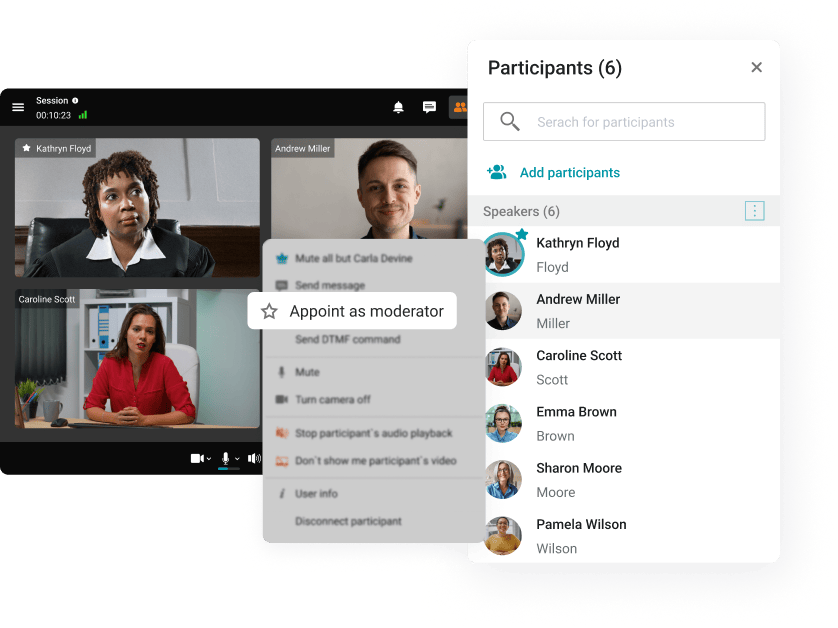
Führen Sie Fernfallüberprüfungen gemäß den Vorschriften durch! Ernennen Sie einen oder mehrere Moderatoren für Online-Meetings, die Redner auf das Podium einladen und die Mikrofone und Kameras der Teilnehmer steuern können.

Moderation von Online-Meetings

KI-basierte Funktionen

Nutzen Sie die erweiterten Fähigkeiten intelligenter Algorithmen: Führen Sie nahtlose Remote-Meetings selbst bei externen Störungen durch, verwischen oder ersetzen Sie den Hintergrund und wandeln Sie Aufzeichnungen von Online-Diskussionen in detaillierte Transkripte um.

Mehr erfahren

Intelligente Geräusch-unterdrückung

Hintergrund weichzeichnen und ersetzen

Automatische Transkriptionen von Meetings

Aufzeichnung entfernter Diskussionen

Nehmen Sie aktiv an Remote-Meetings teil, ohne durch das Protokollieren abgelenkt zu werden! Nehmen Sie Konferenzen auf und teilen Sie die erforderlichen Aufnahmen ganz einfach mit Kollegen.

Aufzeichnung entfernter Diskussionen

Stabile Video-Kommunikation für Schiffe

Organisieren Sie Remote-Meetings sogar bei einer instabilen Internetverbindung! Dank der skalierbaren Video-Codierung (SVC)-Technologie erhält jeder Teilnehmer des Remote-Meetings optimale Video- und Tonqualität.

Stabile Video-Kommunikation für Schiffe

Immer in Kontakt

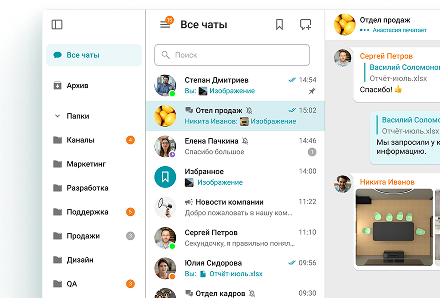
Desktop-Anwendungen

Ein Unternehmens-Messenger für Online-Meetings und sichere Kommunikation, der auf gängigen Betriebssystemen und Browsern läuft.

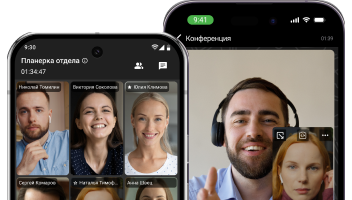
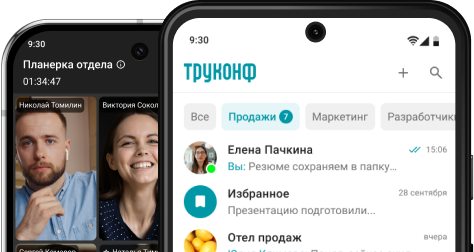
Mobile Geräte

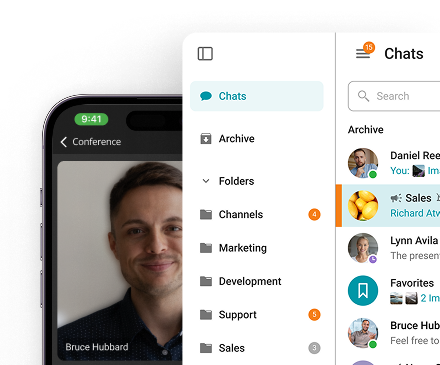
Organisieren Sie Remote-Meetings und diskutieren Sie aktuelle Angelegenheiten in Chatrooms, egal wo Sie sind - alle Unternehmenskommunikationen in einer mobilen Anwendung!

Erstellen Sie Ihr eigenes virtuelles Gericht

Erstellen Sie Ihre eigenen Lösungen für Online-Meetings mit der TrueConf API und dem SDK! Integrieren Sie Videokonferenzen in Ihre eigenen Anwendungen für die Fernkommunikation von Gerichtsmitarbeitern.

Erstellen Sie Ihr eigenes virtuelles Gericht

Videokonferenzlösungen in Gerichtsverfahren

Zusätzlich zu den bereits erwähnten Vorteilen der Einführung von Videokonferenzen für traditionelle Gerichtsverfahren im Fernformat identifizieren praktizierende Anwälte die folgenden Möglichkeiten:

Vorteile

Schnelle Einbindung von Zeugen, Dolmetschern, spezialisierten Experten und Fallmaterialien in den Prozess, deren Notwendigkeit während des Verfahrens entsteht;

Kostenloser Zugang zur gesamten Beweisgrundlage (Gesetzbücher, normative Rechtsakte), bei Bedarf Bereitstellung zusätzlicher Argumente zugunsten der Position;

Zentralisierung der Kommunikationslinien für Verteidigung und Anklage in einem System;

Gleichzeitige Vertretung der Interessen mehrerer Kläger und Beklagter;

Schutz der Rechte und Freiheiten von Personen mit Behinderungen und einwilligungsunfähigen Individuen.

Nachteile

Hohe Kosten für die Implementierung und den technischen Support des Videokommunikationssystems;

Die Teilnahme an der Anhörung in Abwesenheit kann die Wahrnehmung des Geschehens verzerren, was die Beteiligung des Teilnehmers am Prozess beeinträchtigen kann und zu einem voreingenommenen Ergebnis des Falls führen kann;

Das Risiko der Verletzung der Vertraulichkeit von Gerichtsverfahren und des Abfangens vertraulicher Daten aufgrund von Informationslecks;

Die Wahrscheinlichkeit eines technischen Ausfalls (Internetausfall oder Stromausfall, Probleme mit technischer Ausrüstung usw.) ist ein Anliegen.

Implementierte Projekte

Wir haben weltweit Tausende erfolgreicher Projekte für Regierungs- und Finanzinstitutionen sowie Strafverfolgungsbehörden, Industrie, Bildung und Medizin umgesetzt.

Implementierte Projekte

Führen Sie virtuelle Gerichtsverhandlungen sicher mit TrueConf Server durch!

FAQ

How should a lawyer configure their workspace for a professional video call?

Joining a video conference as a legal professional involves more than clicking a link. Every session carries professional responsibility implications — from how the call is secured to how participants are verified and how the session is preserved afterward. The practices outlined below help attorneys conduct video conferences in a manner that is both technically sound and professionally defensible.

Establish a Professional Environment

Before any client-facing or court-related session, attorneys should audit both their physical surroundings and their technical setup. Adequate frontal lighting, a neutral or digitally blurred background, a camera positioned at eye level, and a stable wired internet connection form the baseline for a credible professional presence on camera. TrueConf enables attorneys to apply virtual backgrounds or background blur directly within the platform, ensuring a polished appearance regardless of physical location. Audio quality deserves equal attention — a dedicated headset or external microphone meaningfully reduces ambient noise and echo compared to standard built-in laptop audio.

Secure the Session Before Anyone Joins

Every legal video session should be configured with security parameters in place before the first participant connects. This includes assigning a unique session password, activating a waiting room so participants can be admitted individually, and confirming that recording is enabled where the matter requires it. TrueConf's moderator controls give the attorney visibility into all connected devices, the ability to verify participant identities before granting access, and the option to remove unauthorized attendees immediately. Spending a few minutes on these configurations before a session begins is one of the most straightforward ways to protect privileged communications.

Open Every Session With a Confidentiality Protocol

Just as attorneys establish procedural ground rules at the outset of an in-person deposition or client meeting, video sessions benefit from a structured opening protocol. The attorney should verbally confirm the confidential nature of the call, ask whether any unauthorized individuals are present on either end, and — where applicable — obtain explicit informed consent before recording begins. Certain jurisdictions impose specific requirements around recording consent in legal proceedings, so attorneys should verify local rules and address them at the start of the session rather than after the fact.

Actively Manage Multi-Party Sessions

Depositions, mediations, arbitrations, and multi-counsel negotiations involve participants with distinct roles and varying speaking rights. Managing these sessions effectively requires active use of moderator tools — muting participants when they are not speaking, controlling the order of examination, managing screen sharing permissions, and continuously monitoring the participant list. TrueConf provides full host-level controls for each of these functions, enabling the presiding attorney to maintain the formality that legal proceedings demand even in a remote setting. For complex sessions, assigning a second team member to handle technical moderation while the attorney concentrates on substantive matters is a practical and efficient approach.

Document and Archive Sessions as Part of the Client File

Video sessions involving client communications, depositions, or hearings should be treated as formal components of the client file, subject to the same retention policies as written correspondence. This means recording sessions to a secure, access-controlled location — not a personal cloud account or shared drive — and applying a consistent naming convention that ties each recording to its relevant matter. TrueConf stores recordings server-side within the firm's own infrastructure, making it straightforward to incorporate video archives into existing document management systems. Firms should establish a written retention protocol for video sessions before deploying any platform at scale, ensuring alignment with both bar association guidance and applicable data retention regulations.

What security features should a video conferencing solution provide for legal proceedings?

Legal video conferencing operates in a uniquely high-stakes environment where confidentiality, integrity, and accountability are non-negotiable. A purpose-built solution must go far beyond basic encryption, offering a comprehensive, layered security architecture that protects every stage of a session — from scheduling to post-meeting record-keeping.

TrueConf addresses these requirements through a robust set of security features specifically relevant to legal workflows:

• End-to-end AES-256 encryption — all audio, video, and data transmissions are encrypted at the highest industry standard, ensuring that session content cannot be intercepted or accessed by unauthorized parties.

• On-premise deployment — the entire infrastructure runs within the firm's own servers, eliminating dependence on third-party cloud providers and giving legal teams full control over where sensitive data resides.

• Participant verification and authentication — users are required to authenticate before joining any session, with support for multi-factor authentication (MFA) to prevent unauthorized access.

• Waiting rooms — participants are held in a virtual waiting area until the host explicitly admits them, preventing uninvited attendees from entering proceedings prematurely.

• Meeting lock — once all expected participants have joined, the session can be locked to prevent any further entries, even from users with a valid link.

• Role-based permissions — granular access controls define what each participant can do within a session, distinguishing between judges, attorneys, witnesses, and observers, and restricting capabilities such as screen sharing or recording accordingly.

• Audit logs — detailed, tamper-evident records capture every session event, including who joined, when, and what actions were performed, providing a reliable chain of custody for compliance and dispute resolution purposes.

Together, these features ensure that legal video conferencing meets the strict confidentiality, evidentiary, and regulatory standards required for depositions, hearings, client consultations, and other sensitive proceedings.

Can video conferencing support remote court hearings and depositions?

Yes — video conferencing has become a formally recognized and widely adopted mechanism for conducting remote court hearings, depositions, and witness examinations across numerous jurisdictions worldwide. However, it is important to note that specific technical and procedural requirements vary significantly depending on the court, jurisdiction, and type of proceeding. Legal teams should always verify local rules and obtain necessary approvals before conducting official sessions remotely.

When the appropriate conditions are met, TrueConf provides a comprehensive feature set designed to meet the demands of formal legal proceedings:

• High-definition video and audio — ensures that facial expressions, verbal responses, and non-verbal cues are captured with the clarity required for accurate assessment during testimony or examination.

• Witness management — hosts can control when and how witnesses enter the session, isolate them in waiting rooms prior to testimony, and prevent communication between witnesses during ongoing proceedings.

• Screen sharing for documents — attorneys, judges, and clerks can present exhibits, contracts, or evidence directly within the session, replicating the document review process of an in-person hearing.

• Integrated session recording — proceedings can be recorded in accordance with applicable court rules, generating a reliable audiovisual record that may serve as an official log or supplement to written transcripts. Participants should be informed of recording in compliance with jurisdictional requirements.

• Role-based access and permission controls — granular permissions allow hosts to manage speaking rights, screen sharing access, and participant visibility, preserving the procedural order of the hearing.

• Backup communication channels — in the event of connectivity issues, TrueConf supports fallback options to maintain session continuity, minimizing disruptions during time-sensitive proceedings.

• On-premise deployment — all session data remains within the firm's or court's own infrastructure, satisfying the strict data sovereignty and confidentiality requirements common in judicial environments.

By combining these capabilities within a secure, controllable platform, TrueConf enables legal teams and courts to conduct remote proceedings with the same level of structure, accountability, and evidentiary integrity expected in a physical courtroom.

Does the platform handle large multi-party calls such as arbitration panels or complex hearings?

Complex legal proceedings — such as arbitration panels, multi-party litigation, and international hearings — routinely involve a diverse range of participants, each with distinct roles, responsibilities, and levels of access. Managing this complexity in a remote environment requires far more than simply accommodating a large number of connections; it demands precise control over who can speak, what they can see, and how the session is structured at every stage.

TrueConf is built to handle this level of complexity through the following capabilities:

• Large-scale participant capacity — supports conferences with up to 1,500 participants, allowing complex multi-party proceedings to continue without interruption.

• Granular moderator controls — hosts can manage speaking rights, mute and unmute participants, control screen sharing permissions, and remove unauthorized attendees at any moment.

• Role-based permissions — granular access controls distinguish between judges, attorneys, witnesses, and observers, restricting capabilities such as screen sharing or recording according to each role.

• Waiting rooms and admission control — participants can be held in a virtual waiting area and admitted individually, preventing premature entry or communication between witnesses.

• Meeting lock — once all expected participants have joined, the session can be locked to prevent any further entries.

• Integrated session recording — built-in recording captures a reliable audiovisual record suitable for official logs or supplements to written transcripts.

• Backup communication channels — fallback options maintain session continuity in the event of connectivity issues, minimizing disruptions during time-sensitive proceedings.

Together, these capabilities allow legal teams and courts to run large, complex remote proceedings with the structure, control, and accountability expected in a physical courtroom.